
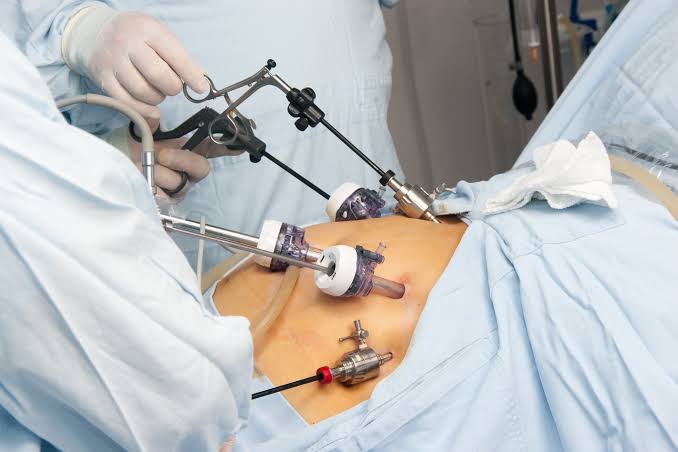
Robotic cholecystectomy — the robotic-assisted removal of the gallbladder — represents one of the most significant advancements in minimally invasive surgery. If you've been scheduled for this procedure or are considering it for gallstones or biliary dyskinesia, here's everything you need to know.
What is Robotic Cholecystectomy?
A cholecystectomy is the surgical removal of the gallbladder, a small pear-shaped organ beneath the liver that stores bile. When performed robotically, the surgeon controls a sophisticated robotic system with wristed instruments and a 3D high-definition camera, all through small incisions typically less than an inch wide.
📋 Quick Facts About Robotic Gallbladder Surgery
- Procedure time: 60–90 minutes
- Hospital stay: Often same-day discharge
- Incision size: 4 tiny incisions (5–8mm each)
- Return to work: 7–14 days
- Full recovery: 2–4 weeks
Preparing for Your Surgery
Before your robotic cholecystectomy, Dr. Rakesh Kumar will conduct a thorough evaluation including blood tests, imaging (usually an ultrasound), and a review of your medical history. You'll receive specific instructions about:
- Fasting (no food or drink after midnight before surgery)
- Medications to stop or continue (especially blood thinners)
- Arranging for someone to drive you home afterward
What Happens During Robotic Gallbladder Removal?
Here's a step-by-step look at what happens in the operating room:
- Anesthesia: You'll receive general anesthesia and sleep comfortably throughout.
- Small incisions: The surgeon makes 4 tiny incisions in your abdomen.
- Robotic docking: The robotic arms are positioned and attached to ports placed in the incisions.
- Precise dissection: Using the 3D magnified view, the surgeon carefully separates the gallbladder from the liver and bile duct.
- Removal: The gallbladder is placed in a specimen bag and removed through one of the incisions.
- Closure: Incisions are closed with small dissolvable stitches or surgical glue.
Recovery — What to Expect After Surgery
One of the biggest advantages of robotic cholecystectomy is the rapid recovery. Most patients experience:
- Same day or next day discharge from the hospital
- Mild shoulder pain (from the gas used to inflate the abdomen — this resolves in 24-48 hours)
- Return to light activities within a few days
- Back to normal diet gradually — your body adjusts to life without a gallbladder within a few weeks
Why Choose Robotic Over Traditional Laparoscopic?
While traditional laparoscopic cholecystectomy is already minimally invasive, robotic technology offers enhanced precision, especially in complex cases with inflammation, scarring, or unusual anatomy. The 3D visualization and articulating instruments allow for meticulous dissection near critical structures like the common bile duct, potentially reducing complication risks.
⚠️ When to Call Your Doctor After Surgery
- Fever over 101°F (38.3°C)
- Severe abdominal pain not relieved by medication
- Yellowing of skin or eyes (jaundice)
- Redness or drainage from incisions
- Nausea or vomiting that won't stop
Robotic cholecystectomy offers patients a safe, effective, and cosmetically appealing option for gallbladder removal with minimal downtime. At Fortis Hospital, Gurgaon, Dr. Rakesh Kumar has performed hundreds of successful robotic gallbladder procedures with excellent patient outcomes.
If you're experiencing gallstone symptoms or have been advised gallbladder removal, schedule a consultation with Dr. Rakesh Kumar to discuss whether robotic cholecystectomy is right for you.